Heartwork’s work in healthcare grew out of our experience designing storage systems for complex, high-performance workplaces. Long before entering healthcare, we were already addressing many of the same challenges: density, shared spaces, strict operational requirements, and environments where people work under cognitive and time pressure.
As conversations with healthcare designers and planners evolved, it became clear that the principles guiding Heartwork’s work were directly relevant to clinical and care settings. Healthcare did not require us to reinvent our design philosophy; rather, it asked us to apply it with greater rigor, sensitivity, and responsibility.
In environments with a small margin for error, design intent must be precise. That expectation aligns closely with our approach to product development.
Heartwork’s work in healthcare grew out of our experience designing storage systems for complex, high-performance workplaces. Long before entering healthcare, we were already addressing many of the same challenges: density, shared spaces, strict operational requirements, and environments where people work under cognitive and time pressure.
As conversations with healthcare designers and planners evolved, it became clear that the principles guiding Heartwork’s work were directly relevant to clinical and care settings. Healthcare did not require us to reinvent our design philosophy; rather, it asked us to apply it with greater rigor, sensitivity, and responsibility.
In environments with a small margin for error, design intent must be precise. That expectation aligns closely with our approach to product development.

Evidence-based design, or EBD, asks designers to consider how the built environment influences outcomes such as stress, safety, efficiency, and well-being. Many EBD principles closely mirror our longstanding design priorities.
At its core, EBD values environments that reduce cognitive load, support intuitive use, and minimize friction in daily tasks. These ideas also underpin Heartwork’s approach to storage.
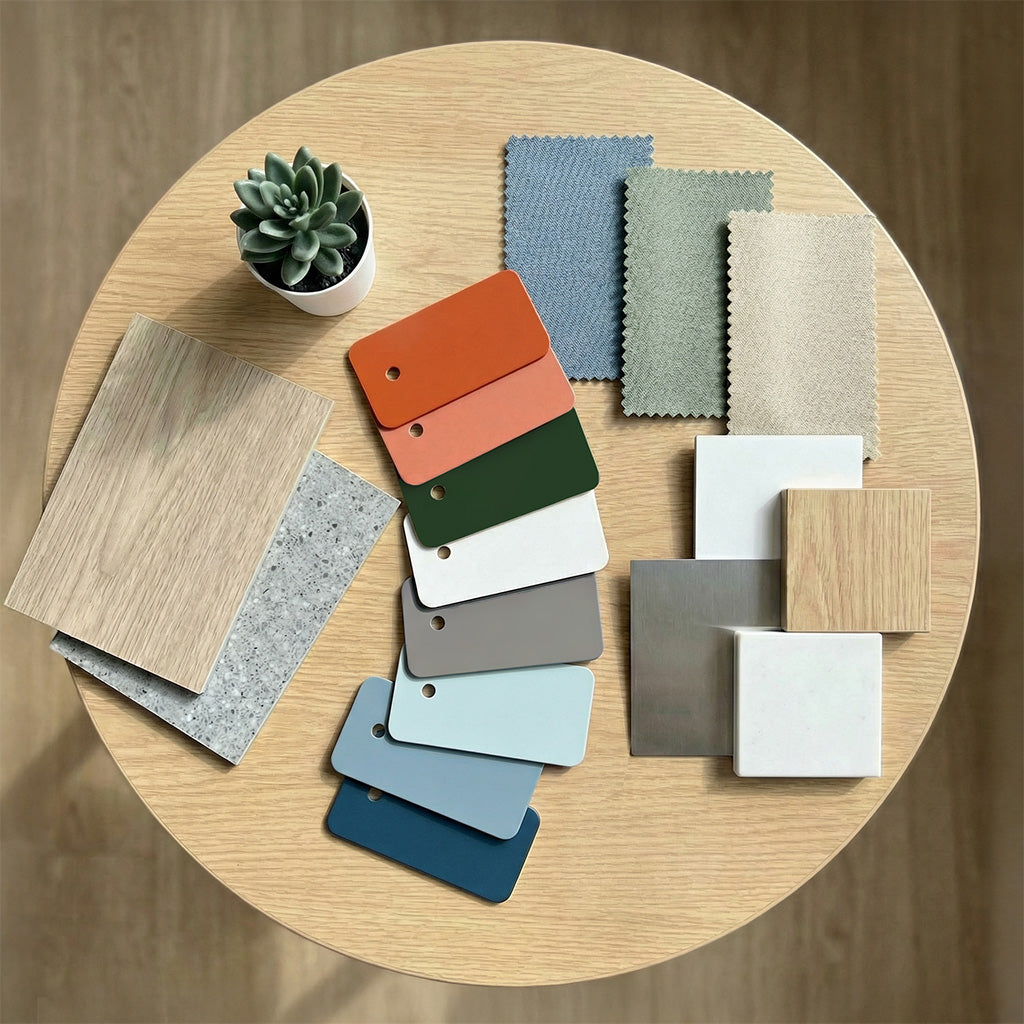
Clear visual organization, predictable layouts, and a thoughtfully coordinated color palette are not stylistic preferences. They are practical tools that help people orient themselves and work more effectively in demanding spaces.
Discover how our Building Block Collection and Base Camp Lockers support this philosophy.
Evidence-based design, or EBD, asks designers to consider how the built environment influences outcomes such as stress, safety, efficiency, and well-being. Many EBD principles closely mirror our longstanding design priorities.
At its core, EBD values environments that reduce cognitive load, support intuitive use, and minimize friction in daily tasks. These ideas also underpin Heartwork’s approach to storage.
Clear visual organization, predictable layouts, and a thoughtfully coordinated color palette are not stylistic preferences. They are practical tools that help people orient themselves and work more effectively in demanding spaces.
Discover how our Building Block Collection and Base Camp Lockers support this philosophy.
Healthcare environments place exceptional demands on furniture and storage. Products must be durable, adaptable, and easy to maintain. They must integrate seamlessly into complex spatial ecosystems.
Our disciplined approach to materials, finishes, and color allows products to contribute to visual order rather than visual noise. Spaces feel more composed and less overwhelming.
Healthcare environments place exceptional demands on furniture and storage. Products must be durable, adaptable, and easy to maintain. They must integrate seamlessly into complex spatial ecosystems.
Our disciplined approach to materials, finishes, and color allows products to contribute to visual order rather than visual noise. Spaces feel more composed and less overwhelming.


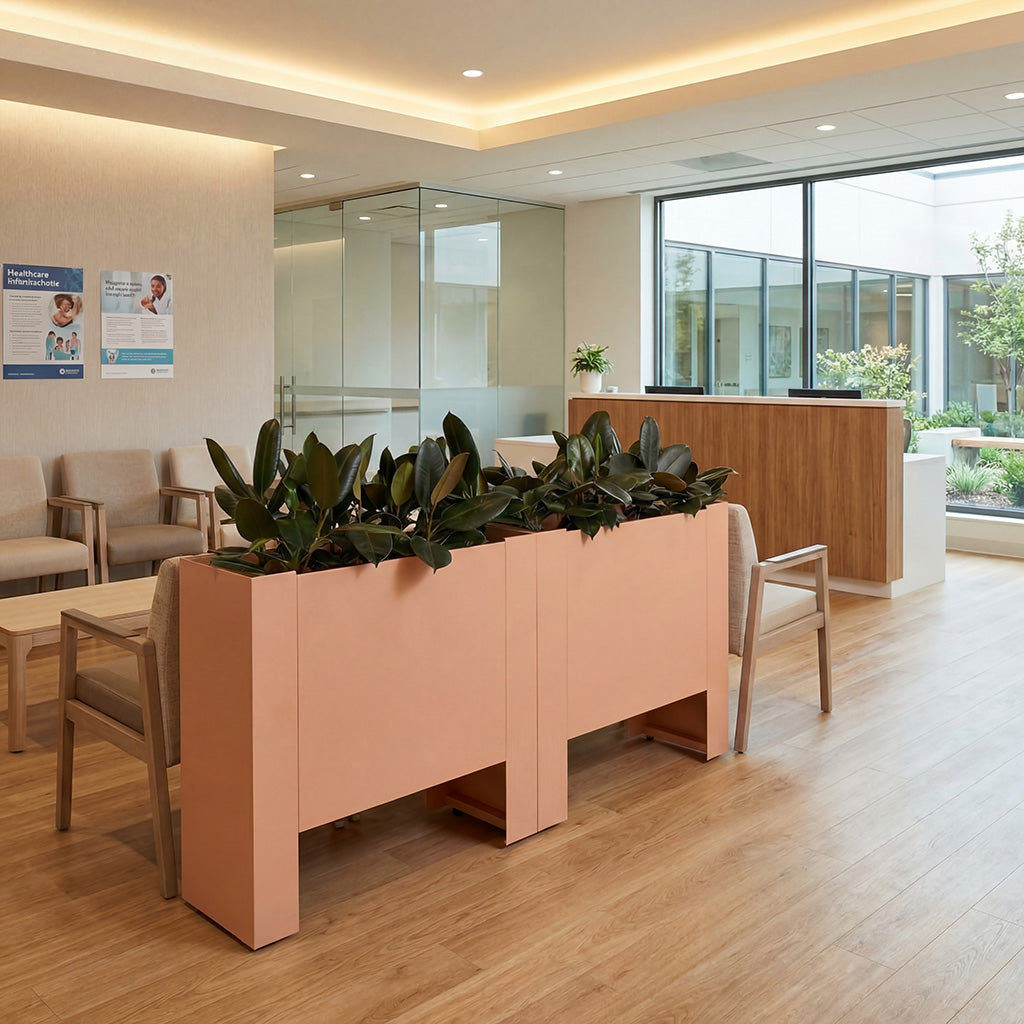
Elements such as integrated planters help soften clinical environments. They introduce visual relief into circulation routes and shared areas. When thoughtfully planned, these features support environments that feel more humane. Operational clarity and performance are not compromised.
Heartwork’s Flora Plantersallow designers to incorporate greenery into corridors, waiting areas, and public spaces—boosting mood, reducing stress, and softening clinical environments.
Elements such as integrated planters help soften clinical environments. They introduce visual relief into circulation routes and shared areas. When thoughtfully planned, these features support environments that feel more humane. Operational clarity and performance are not compromised.
Heartwork’s Flora Plantersallow designers to incorporate greenery into corridors, waiting areas, and public spaces—boosting mood, reducing stress, and softening clinical environments.
Heartwork’s approach fits naturally within the broader goals of evidence-based design. The result is storage that goes beyond organization alone, supporting healthcare settings that actively promote comfort, clarity, and care for patients, visitors, and staff alike.
Heartwork’s approach fits naturally within the broader goals of evidence-based design. The result is storage that goes beyond organization alone, supporting healthcare settings that actively promote comfort, clarity, and care for patients, visitors, and staff alike.